What is Deeproot?
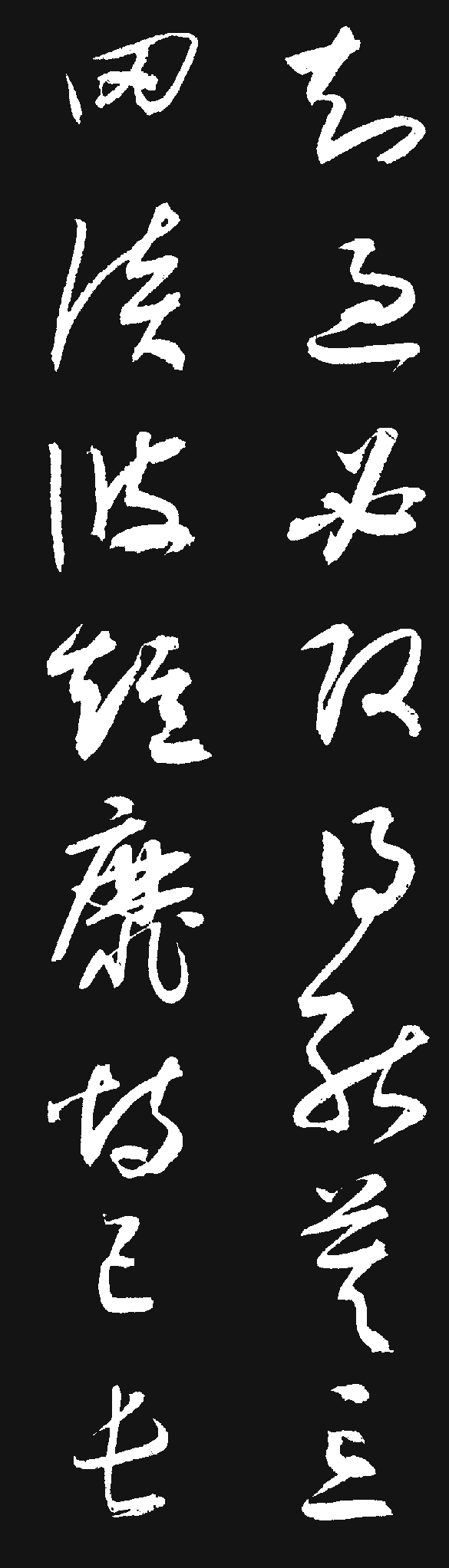
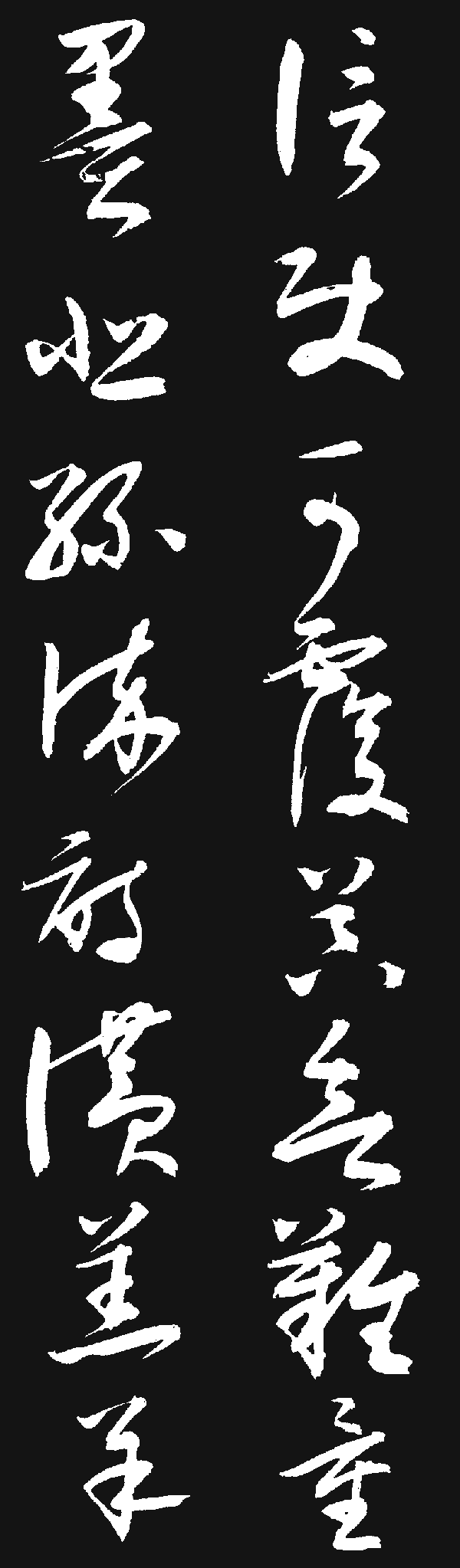
Deeproot is a convolutional neural network that has been trained to recognize cursive kanji script (草書). It utilizes deep-learning techniques to interpret 草書 (lit. Grass Script), hence the name "Deeproot". You can upload your own image of cursive kanji and crop it to fit the character(s) you want Deeproot to interpret.
What is 草書?
"草書", "full-cursive", "highly-cursive", and "grass script" all refer to the same style of writing kanji.
This style features very low stroke count, with many kanji just being written in a single stroke. As a result,
it can be written very quickly, but is challenging to read for the unaccustomed. The average Japanese
person can read a handful of cursive kanji, but many kanji undergo such drastic changes in shape that
they end up unrecognizable to the untrained eye.
Example of the kanji 書 (write) in 3 different styles:
Computer font

Handwritten

Full-cursive

Limitations
Deeproot is a convolutional neural network trained on over 350,000 images spanning 1826 unique kanji. This means that any kanji outside those 1826 will not be answerable by Deeproot. Data for roughly 2000 other kanji is availible, but the quantity of images for each remaining kanji is relatively low. Deeproot is only trained on kanji where 80 or more images were availible. Nearly all of the images were sourced from Chinese collections due to the low quality nature of availible Japanese ones. The most prominent issue with Japanese datasets was the large presence of non-full-cursive kanji which introduced too much noise in the model's training.
Full-cursive kanji does not always look the same for any particular kanji. Beyond handwriting's inherent nature to vary from person to person, full-cursive kanji is often found in calligraphy which is a highly expressive artform. This causes stylistic variances that the model might not have been exposed to in training. The model achieved ~90% top-5 accuracy when tested on 9,000 unseen images. For cherry picked "typical" writing styles, near 100% accuracy is achievable, but for cherry picked "quirky" styles this number drops to ~20%.
The dataset, regularization methods, and AI architecture are still currently undergoing changes to improve accuracy and versatility. I believe there is still much room for improvement.